
Home / The popes / St. Leo I (the Great)
Near Mantua, northern Italy, AD 452
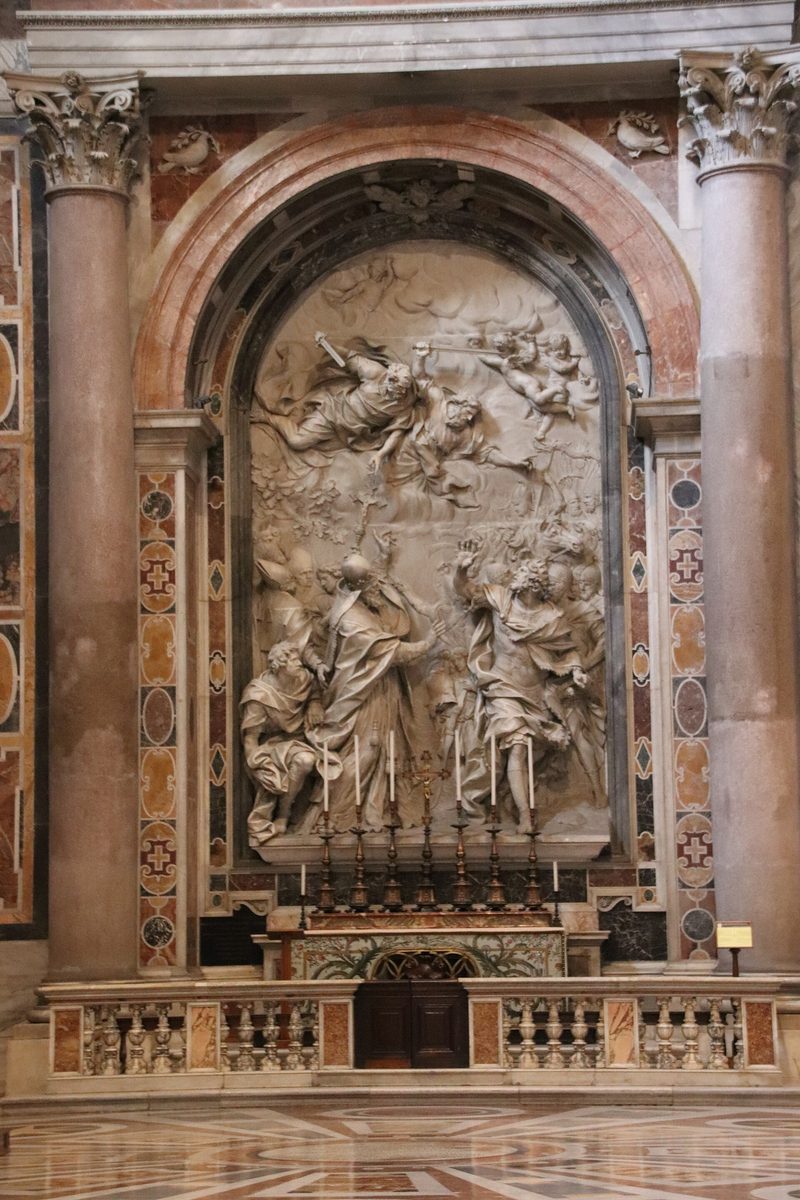
Attila’s army has torn through northern Italy, and Rome is next.1
An unarmed bishop rides out to meet him by the river Mincio.1
His name was Leo, and he came back with a promise that the Huns would leave Italy.
01St. Leo I (the Great)
Facing the Huns
Leo went in 452, with two Roman officials, to meet Attila near Mantua and obtained his promise to withdraw from Italy and negotiate peace.1
In 455, when the Vandals captured Rome, Leo’s intercession won a promise that the city’s people would be spared.1
02St. Leo I (the Great)
Peter has spoken
Leo’s pontificate is counted, with that of Gregory I, the most significant in Christian antiquity.1
His letter on the two natures of Christ was received at the Council of Chalcedon in 451.1
The Church professes that Christ is one person in two natures, true God and true man, as Chalcedon taught.2
Leo defended a city with his courage and the faith with his pen. The second mattered longer.
A century and a half later, a monk would become pope in a plague year.
Notes
How we know · 2 sources for this page
- Catholic Encyclopedia (1913), “Pope St. Leo I (The Great)”. New Advent edition. newadvent.org
- Catechism of the Catholic Church, paragraph 467. vatican.va
The Catholic Encyclopedia (1913) is in the public domain; we quote the New Advent edition. Texts of the Holy See are quoted briefly from vatican.va. Scripture: World English Bible, Catholic edition (public domain); Verse numbers are modern, with Douay-Rheims numbers in brackets where they differ. Photographs: Wikimedia Commons, credited under each image; full list on the photo credits page.
Lines in the narrator’s voice, without a note, are our reflection, not a historical claim. Stone & Incense restates Church teaching in plain words; our wording is not an official Church text. Report an errorCorrections.