
Home / The saints / St. Teresa of Avila
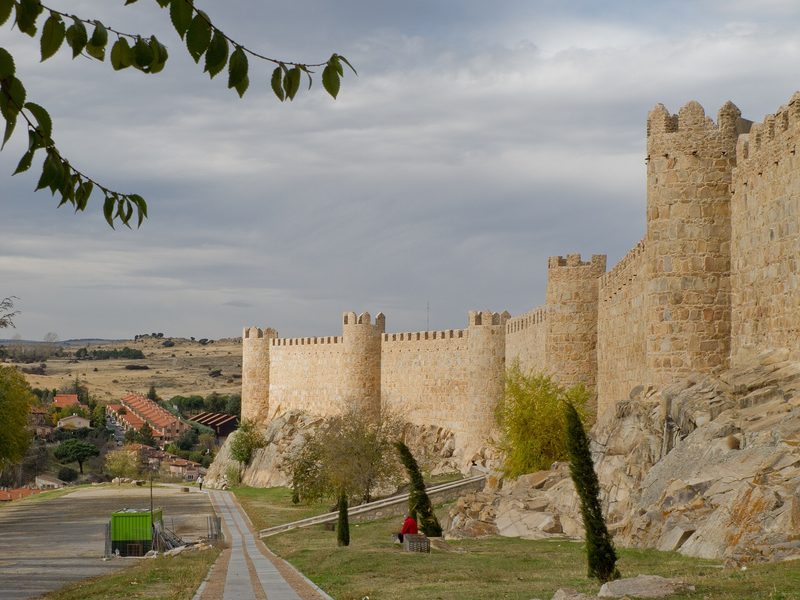
Avila, Spain, November 1535
A young woman leaves her father’s house without his knowledge.1
She goes to the Carmelite convent of the Incarnation at Avila, which already counts 140 nuns.1
Decades later she would lead one of the great reforms in the history of religious life.
Patron of relief from headaches3
01St. Teresa of Avila
Reform
Teresa founded her first reformed convent, St. Joseph’s at Avila, on 24 August 1562, and in rapid succession many more followed.1
With St. John of the Cross she established her reform among the Carmelite friars in 1568.1
02St. Teresa of Avila
A writer for the ages
The account of her spiritual life in her Life and her Interior Castle forms one of the most remarkable spiritual biographies ever written.1
The Catechism quotes her description of prayer as close sharing between friends.2
Live it this week
Ten minutes with a friend
Teresa described prayer as time spent with a friend who loves us. Set a timer for ten minutes once a day this week, sit somewhere quiet, and talk to Jesus the way you’d talk to a friend across the table. Distractions count as material: talk about them too.
Notes
How we know · 3 sources for this page
- Catholic Encyclopedia (1913), “St. Teresa of Jesus (Teresa of Avila)”. New Advent edition. newadvent.org
- Catechism of the Catholic Church, paragraph 2709. vatican.va
- Franciscan Media, Saint of the Day: “Saint Teresa of Avila”. franciscanmedia.org. franciscanmedia.org
The Catholic Encyclopedia (1913) is in the public domain; we quote the New Advent edition. Texts of the Holy See are quoted briefly from vatican.va. Scripture: World English Bible, Catholic edition (public domain); Verse numbers are modern, with Douay-Rheims numbers in brackets where they differ. Photographs: Wikimedia Commons, credited under each image; full list on the photo credits page.
Lines in the narrator’s voice, without a note, are our reflection, not a historical claim. Stone & Incense restates Church teaching in plain words; our wording is not an official Church text. Report an errorCorrections.