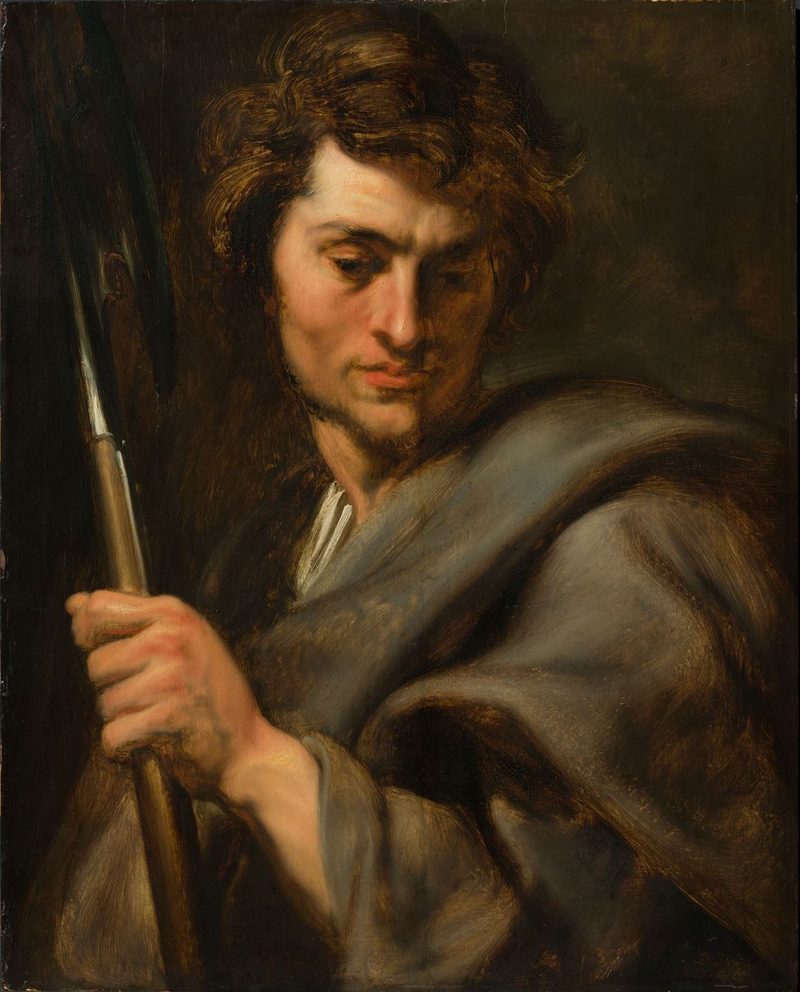

Home / The saints / St. Matthew
A tax booth in Capernaum
Matthew collected taxes for Rome, which made him rich and hated.1
Jesus walked past his booth and said: follow me.2
He got up and followed Him, and then threw a party for all his sinner friends to meet Jesus.
Patron of accountants, bankers and bookkeepers1; tax collectors1
01St. Matthew
Why does He eat with them?
The Pharisees complained that Jesus ate with tax collectors and sinners.3
Jesus said the healthy don’t need a doctor; the sick do.4
02St. Matthew
The Gospel
Tradition gives Matthew the first Gospel, written for Jewish readers to show Jesus as the promised Messiah.1
Later tradition says he preached in the East and died a martyr, though the details are uncertain.1
Live it this week
Throw a party for your friends to meet Jesus
Matthew’s first move was dinner. This week, invite people over who don’t usually come to church, and invite one Catholic friend too. No sermon: just good food and real conversation.
Notes
How we know · 4 sources for this page
- Franciscan Media, Saint of the Day: “Saint Matthew”. franciscanmedia.org. franciscanmedia.org
- Matthew 9:9, World English Bible. read the chapter
- Matthew 9:11, World English Bible. read the chapter
- Matthew 9:12, World English Bible. read the chapter
The Catholic Encyclopedia (1913) is in the public domain; we quote the New Advent edition. Texts of the Holy See are quoted briefly from vatican.va. Scripture: World English Bible, Catholic edition (public domain); Verse numbers are modern, with Douay-Rheims numbers in brackets where they differ. Photographs: Wikimedia Commons, credited under each image; full list on the photo credits page.
Lines in the narrator’s voice, without a note, are our reflection, not a historical claim. Stone & Incense restates Church teaching in plain words; our wording is not an official Church text. Report an errorCorrections.