
Home / The saints / St. Pio of Pietrelcina
San Giovanni Rotondo, the Gargano, southern Italy
On a mountain spur in southern Italy, crowds are gathering outside a small Capuchin friary.1
They have come for one thing: to make their confession to Padre Pio.1
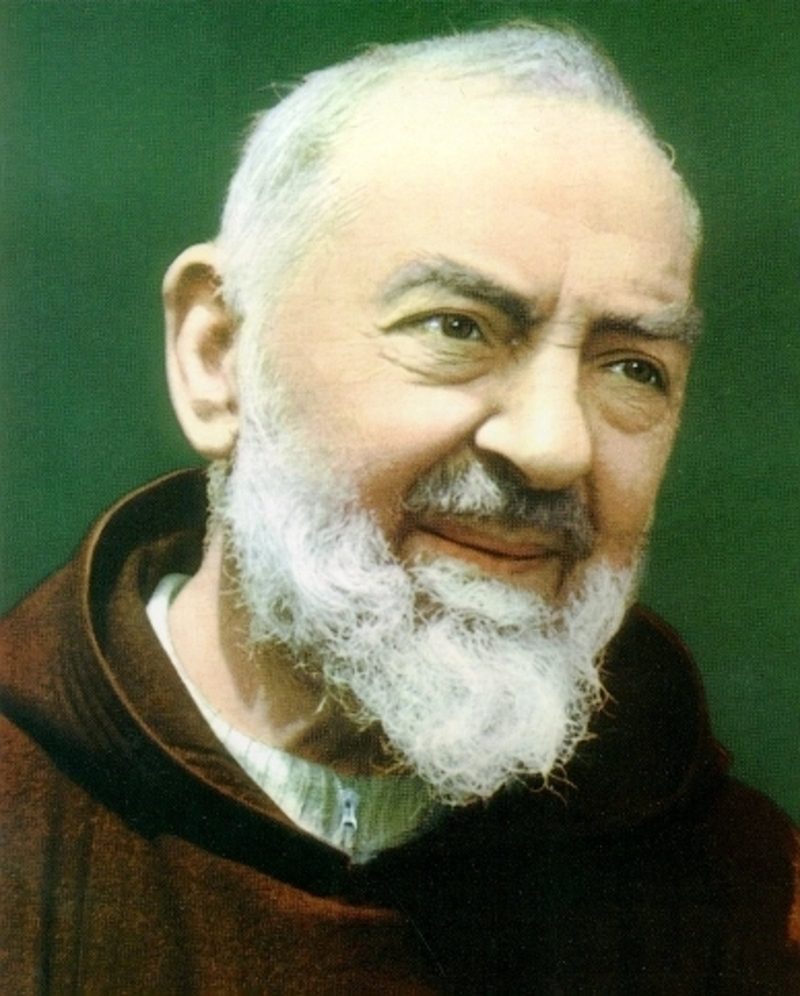
He spent long hours in prayer and in the confessional. That, said the pope who canonized him, was the root of everything.
Patronage No official patronage we can cite yet. The Church remembers him as a Capuchin priest and confessor.
01St. Pio of Pietrelcina
The glory of the Cross
St. John Paul II said the trials Padre Pio faced were like the yoke of the Gospel, and that the glory of the Cross shone above all in him.1
In 1914 Padre Pio wrote that we must follow the divine Head by the way of abnegation and the Cross.1
02St. Pio of Pietrelcina
The Home for the Relief of Suffering
To prayer he joined intense charity, above all the hospital he called the Home for the Relief of Suffering.1
He was canonized on 16 June 2002.1
Live it this week
Go to confession this week
People lined up for hours outside Padre Pio’s confessional. Look up your parish’s confession times today and go this week. Bring a short list so you don’t freeze.
Notes
How we know · 1 source for this page
- Pope St. John Paul II, Homily for the canonization of Padre Pio, 16 June 2002. Holy See, official English text. vatican.va
The Catholic Encyclopedia (1913) is in the public domain; we quote the New Advent edition. Texts of the Holy See are quoted briefly from vatican.va. Scripture: World English Bible, Catholic edition (public domain); Verse numbers are modern, with Douay-Rheims numbers in brackets where they differ. Photographs: Wikimedia Commons, credited under each image; full list on the photo credits page.
Lines in the narrator’s voice, without a note, are our reflection, not a historical claim. Stone & Incense restates Church teaching in plain words; our wording is not an official Church text. Report an errorCorrections.