
Home / The saints / Sts. Perpetua and Felicity
A prison in Carthage, 203
The prison is dark, and the air is hard to breathe.1
A young mother named Perpetua is terrified, above all for her baby son.1
Then her mother brings the child to her, and she is allowed to keep him with her.1
She kept a diary in that prison. It has survived for eighteen centuries.
Patronage No official patronage we can cite yet. The Church remembers them as martyrs of Carthage.
01Sts. Perpetua and Felicity
Her father’s pleading
Vibia Perpetua was a young married lady of noble birth; Felicity was a slave.1
Perpetua’s pagan father came again and again, carrying her child in his arms, begging her to give up her faith.1
The visions of Saturus and Perpetua in prison were written down by the martyrs themselves.1
02Sts. Perpetua and Felicity
The kiss of peace
Felicity was eight months pregnant and afraid she would not be allowed to die with the others.1
In the arena they gave each other the kiss of peace, and then they were killed by the sword.1
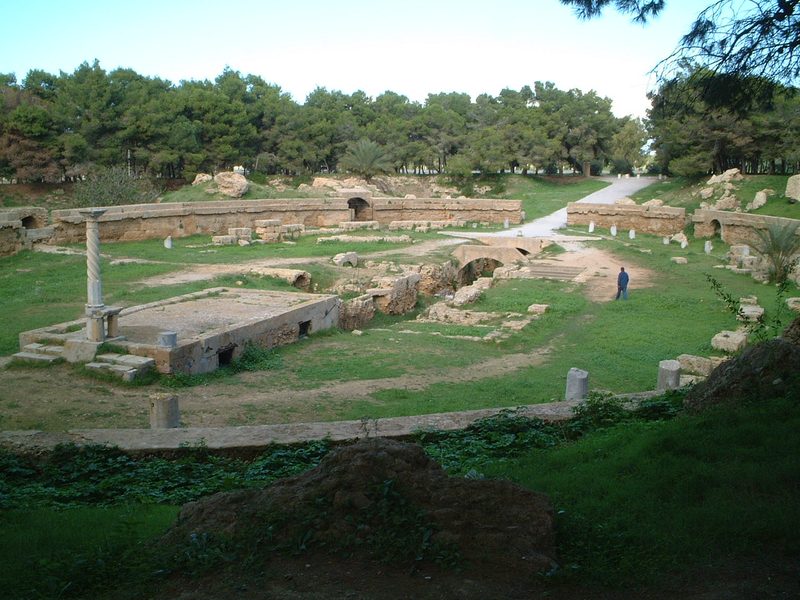
A noblewoman and a slave, equal in the arena, equal in heaven. Their names are in the Roman Canon.
Live it this week
Stand with someone different from you
Perpetua was a noblewoman and Felicity a slave, and they faced death side by side and gave each other the kiss of peace. This week, sit with, eat with, or help someone at your parish or work who comes from a very different world than yours.
Notes
How we know · 1 source for this page
- Catholic Encyclopedia (1913), “Sts. Felicitas and Perpetua”. New Advent edition. newadvent.org
The Catholic Encyclopedia (1913) is in the public domain; we quote the New Advent edition. Texts of the Holy See are quoted briefly from vatican.va. Scripture: World English Bible, Catholic edition (public domain); Verse numbers are modern, with Douay-Rheims numbers in brackets where they differ. Photographs: Wikimedia Commons, credited under each image; full list on the photo credits page.
Lines in the narrator’s voice, without a note, are our reflection, not a historical claim. Stone & Incense restates Church teaching in plain words; our wording is not an official Church text. Report an errorCorrections.